What would change in your life if your nights actually helped your body recover?

Research shows:

sleep QUALITY matters more than sleep duration

DO YOU KNOW

Sleep quality is not constant

You can spend 8 hours in bed and still feel like your body never really recharges.

Researchers link sleep quality with memory processing, emotional balance, nightly recovery, and brain waste clearance (glymphatic system). 

In other words, deep sleep is the part of the night where your system repairs itself.

What you do before bed matters

Introducing Sleep & Recharge

Sleep & Recharge is made for people who want something simple to use at night without pills, forcing, or gadgets that overstimulate.

You place it, go to sleep, and let your night unfold naturally.
No noise. No alerts. No screens. No pressure to “do it right.”

It’s for people who like gentle tools, who enjoy experimenting with what helps them feel calmer at night, and who prefer a natural approach.

results from sleep tracker

Sleep & Recharge Results

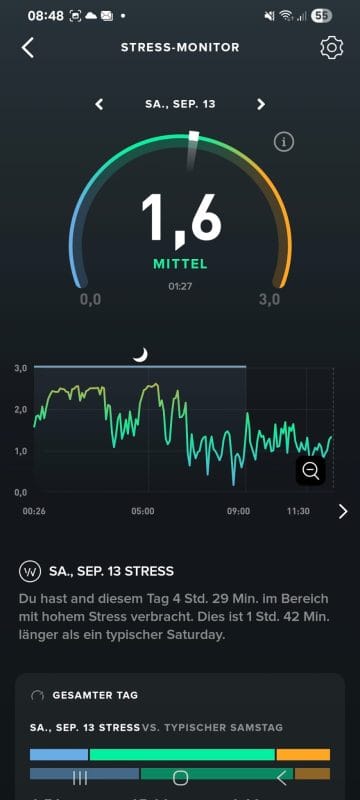
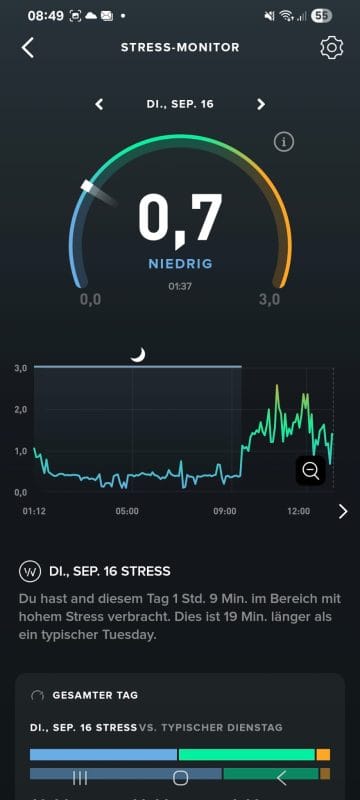
These screenshots show night-time stress data from a wearable sleep tracker. Before the sleep protocol, the tracker recorded higher and more fluctuating stress levels during sleep. After introducing the Sleep & Recharge protocol, night-time stress levels appeared lower and more stable.

This suggests a calmer nervous system during sleep, which is a key component of sleep quality.

Without Sleep Protocol

With Sleep Protocol

No products found!

01.

HYDRATION

Drink at least 2 glasses of water before you apply discs.

02.

APPLICATION

Just scan the QR code or peek at your thank-you card. You’ll have easy, step-by-step guidance in seconds.

03.

EMBRACE THE EXPERIENCE

Let the moment unfold and see where the experience takes you.

“Sleep is the golden chain that ties health and our bodies together.”

by Thomas Dekker

deep sleep
What research suggests about sleep quality

Across different studies, scientists keep finding similar patterns.

  • Reduced deep sleep has been linked with higher physiological strain - meaning the body carries more internal load when deep sleep is limited (Carroll et al., Sleep, 2015).
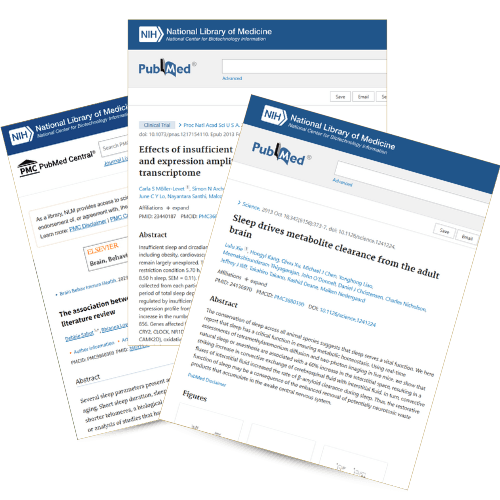
  • Short sleep has been associated with changes in more than 700 genes, including those involved in stress, immune function and metabolism (Archer et al., PNAS, 2013).
  • Deep sleep also supports the brain’s “clean-up system,” helping remove metabolic waste more efficiently at night (Xie et al., Science, 2013).
  • Poor sleep quality has been linked with biological aging markers, such as shorter telomeres (Prather et al., Sleep, 2015).
So What Does This Mean in Real Life?

High sleep quality is one of the basic conditions your body relies on.

Taken together, these studies point to one simple idea: High sleep quality gives the body the conditions to reset, organise, and recover.

When deep sleep is shallow, fragmented, or inconsistent, the system often has less capacity. When deep sleep improves, the body may simply have more room to do what it is already designed to do.

Most people try to fix sleep with:

❌ stronger supplements
❌ scrolling to “relax”
❌ pushing through the next day with caffeine

But sleep isn’t something you force.

Deep sleep shows up when the nervous system shifts out of survival mode and into regulation.

âś” Calmer rhythms
âś” Less internal noise
âś” More consistency

That state is what we care about.

What actually guides deep sleep in the body?

Deep sleep doesn’t happen by accident.

Your body follows internal signals that tell it: “It’s night. It’s safe. It’s time to go deeper.” Two key things researchers often talk about are:

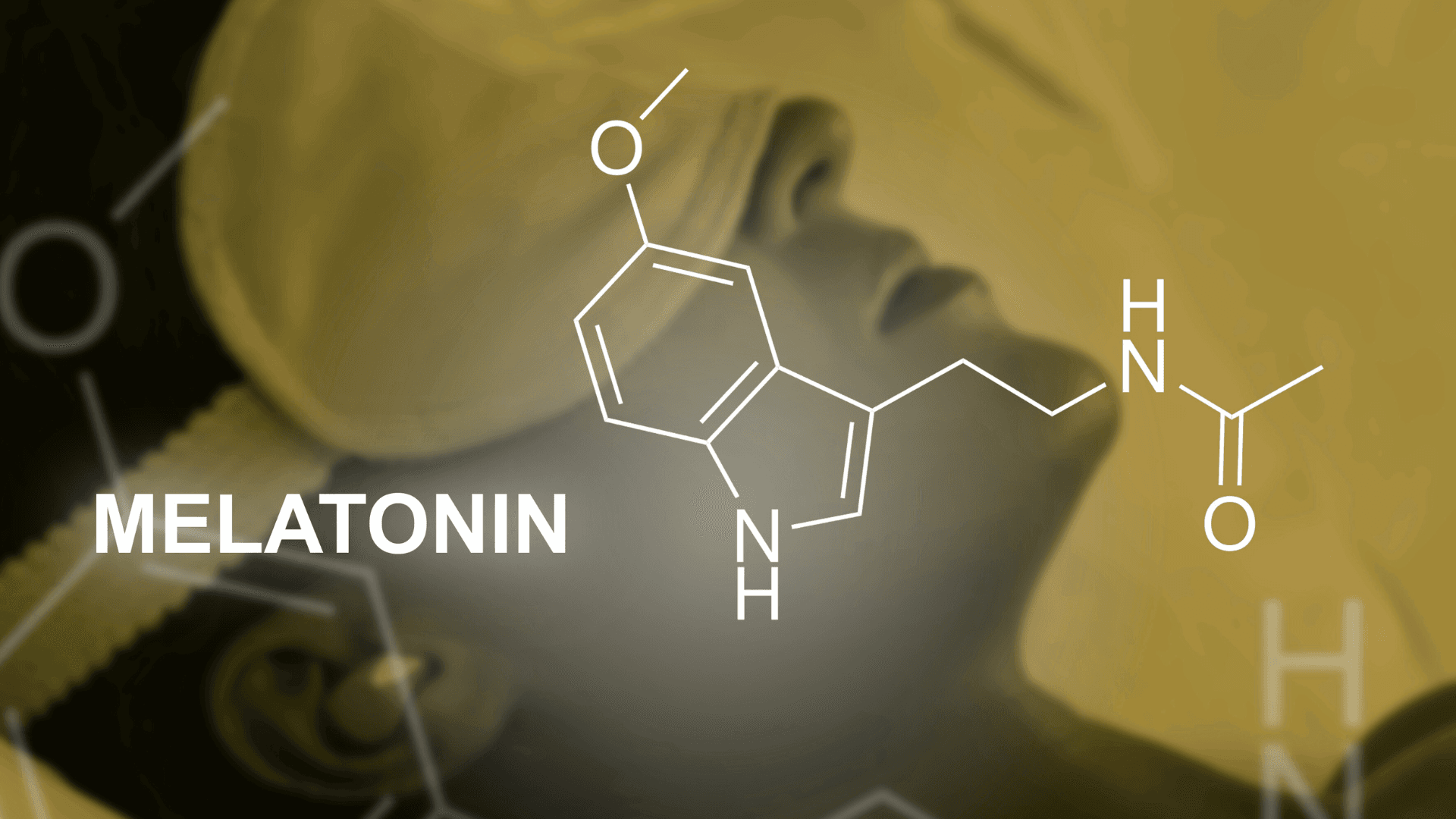
Melatonin - the timing signal for night

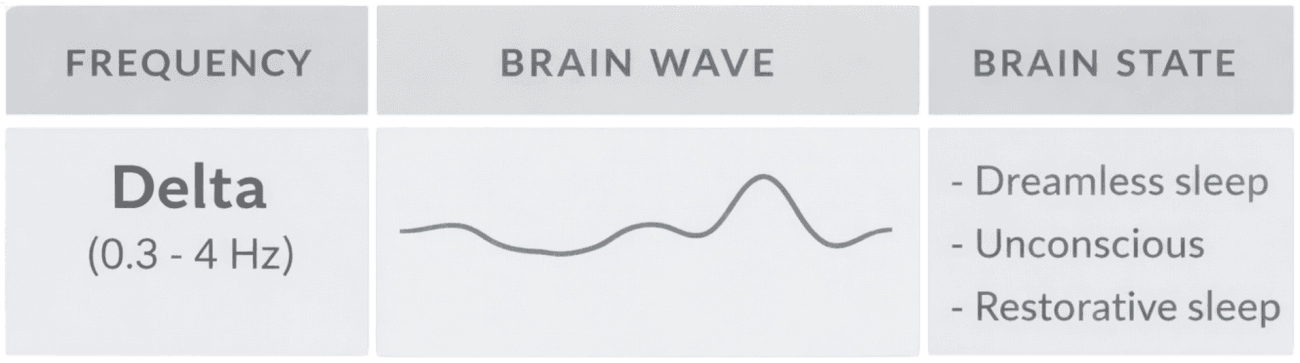
Delta waves - the brain rhythm associated with deep sleep

Melatonin doesn’t “make” you sleep. It tells every system: the repair shift can begin. Delta is what shows up during the deepest stages of sleep - the phase linked with recovery, memory processing, and brain cleansing.

Melatonin:

The body’s night-time signal

Melatonin is often called “the sleep hormone,” but that description is misleading. It doesn’t knock you out.

Instead, melatonin acts more like a message sent throughout the body: The day is closing. The repair shift can begin.

Research links melatonin to:

  • regulating sleep timing
  • coordinating night-time cellular processes
  • supporting circadian rhythm (your internal clock)
  • signaling that it’s safe to wind down

When melatonin rhythms get thrown off, from screens, stress, irregular schedules, or late-night stimulation, the body may still sleep…but deep sleep may not arrive as easily or consistently.

Delta waves:

The rhythm of deep sleep

Once the body receives the night signal, another layer shows up: delta waves. Delta waves are slow brain rhythms seen in the deepest stages of sleep. This phase is linked in research to memory consolidation, nervous system reset, physical recovery processes, and brain waste clearance (glymphatic activity).

Think of delta as the state where the body says: We are safe. We can finally focus on repair, not survival. When stress, overstimulation, light exposure, or an irregular rhythm dominate, delta-stage sleep may become shorter, more fragmented, or less consistent.

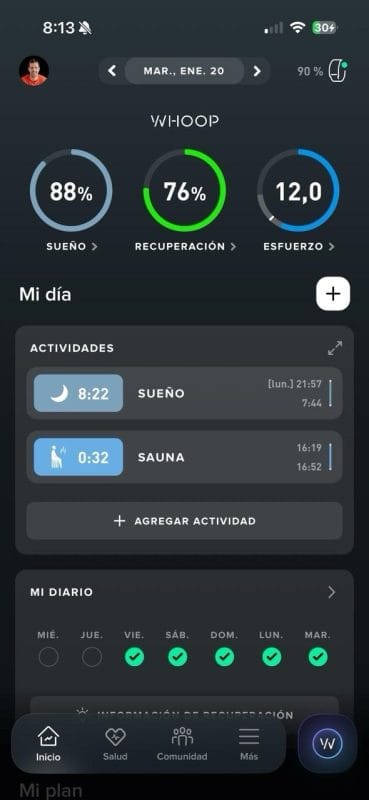
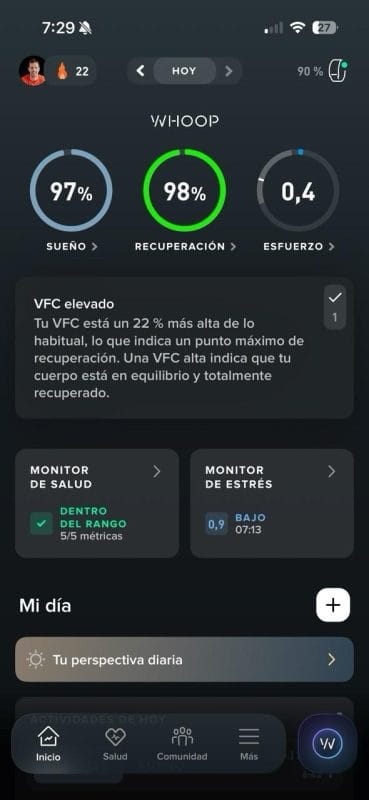
results from sleep tracker

Sleep & Recharge Results

These screenshots show wearable sleep tracker data before and after the first use of the Sleep & Recharge protocol. Before first use, the tracker showed lower recovery following a day of higher strain. After the first use, the final night showed higher recovery and sleep quality with lower overall strain.

This comparison highlights a difference in recovery and sleep quality signals observed after the first use of the Sleep & Recharge protocol.

Without Sleep Protocol

With Sleep Protocol

Modern life keeps us “on” - light, screens, notifications, planning, thinking.

Most of us don’t actually struggle with sleeping as a skill.
We struggle to slow down enough so that a night feels different from the day.

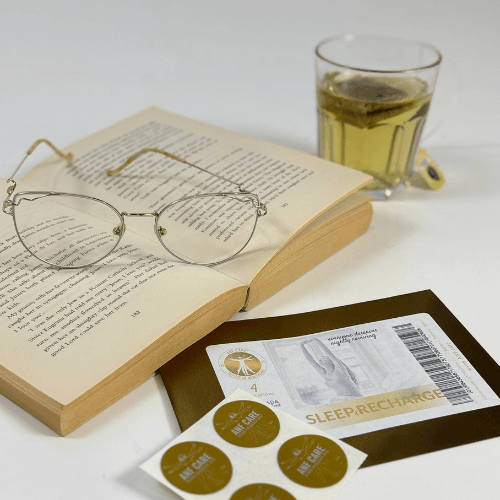
And because of that, many people create small evening rituals: reading, tea, stretching, quiet time, dim lights..

Tools like Sleep & Recharge fit into that idea.

They are not about forcing sleep or promising outcomes.
They’re about creating a calmer, clearer transition into the night in a way that feels natural.


let's connect

FOLLOW US ON INSTAGRAM

All you need to know

FREQUENTLY ASKED QUESTIONS

Do Sleep & Recharge discs need to be charged?

No. Sleep & Recharge discs do not require charging, batteries, or electricity. They are ready to use out of the package.

How often can Sleep & Recharge be used?

Sleep & Recharge can be used nightly as part of a regular wellness routine. Usage may vary by individual preference and lifestyle.

Is Sleep & Recharge safe to use alongside other wellness products or supplements?

Sleep & Recharge is a non-invasive wellness product and can generally be used alongside other wellness routines. If you have questions about combining products, consult a qualified healthcare professional.

Who may find Sleep & Recharge a good fit?

Sleep & Recharge may appeal to individuals looking to support their nightly rest and recovery as part of a general wellness routine. It is not intended to replace medical care or treatment.

What if I have a medical condition or ongoing sleep concerns?

Sleep & Recharge is not intended to diagnose, treat, or cure any condition. If you have a medical condition or persistent sleep concerns, consult a qualified healthcare professional before use.